
New Home Construction vs Home Renovation: Which Offers Better Value?
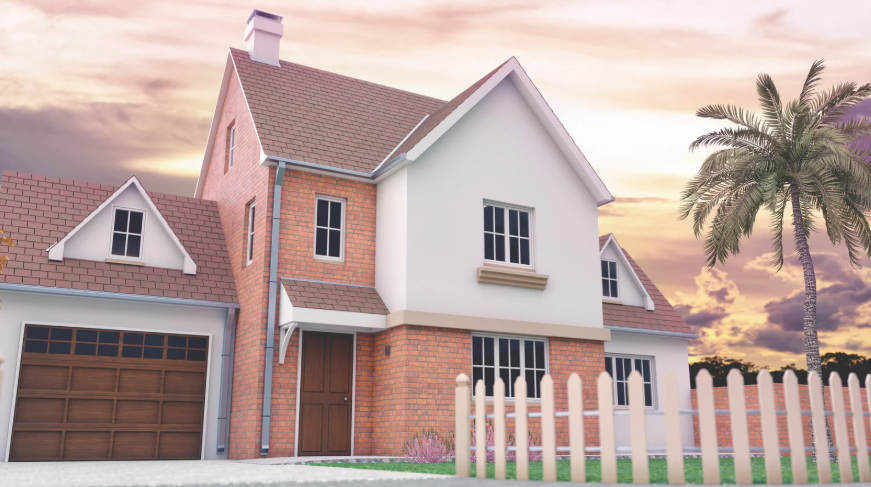
Deciding between building a brand-new home or renovating an existing property is a significant dilemma for many prospective homeowners. Both paths offer distinct advantages, yet the choice ultimately depends on your budget, lifestyle needs, and long-term goals. While renovation can preserve the charm of an older structure, starting from scratch allows for complete customization and modern efficiency. When considering new home construction in Ooltewah, TN, understanding the comparative value of each option is essential for making a sound financial and personal investment.
Analyzing the Cost Factor
The financial implications of building versus renovating are often the primary driver of the decision-making process. However, “value” goes beyond the initial price tag; it encompasses maintenance, energy costs, and future resale potential.
The Hidden Costs of Renovation
On the surface, renovation often appears cheaper than new construction. You are working with an existing shell, foundation, and utility connections. However, renovations are notorious for uncovering hidden issues. Once walls are opened, contractors may find outdated wiring, plumbing problems, or structural deficiencies that require expensive repairs. These surprises can quickly inflate the budget, making the final cost comparable to, or even higher than, a new build. Additionally, older homes often lack the energy efficiency of modern structures, leading to higher monthly utility bills over time.
Predictability of New Construction
New construction typically offers more financial predictability. While the upfront cost per square foot might be higher, you are paying for brand-new materials and systems that are under warranty. There are no surprise repair bills for a failing roof or an ancient HVAC system in the first few years. Furthermore, modern building codes require higher standards of insulation and energy efficiency, which translates to significant long-term savings on heating and cooling.
Customization and Lifestyle Fit
Beyond dollars and cents, value is also measured by how well the home serves your daily life. The ability to tailor a space to your specific needs is a major factor in the debate.
Working Within Existing Constraints
Renovation requires you to work within the footprint and structural limitations of an existing house. While you can knock down walls to create an open concept, you are often restricted by load-bearing structures, ceiling heights, and the overall layout. You might have to compromise on your wish list, accepting a smaller master bath or a less-than-ideal kitchen orientation because the existing structure dictates it.
The Freedom of Design
Building new provides a blank canvas. You have the freedom to design a floor plan that perfectly matches your lifestyle, from the size of the bedrooms to the flow of the living areas. You can incorporate smart home technology, advanced security systems, and energy-efficient features right from the start. Exploring the benefits of new home construction reveals how this level of personalization not only improves your quality of life but also ensures you aren’t paying for spaces or features you don’t need or want.
Long-Term Maintenance and Resale Value
When evaluating value, it is crucial to look five, ten, or even twenty years down the road. An older home, even one that has been renovated, still has older bones. Foundations settle, pipes age, and older electrical systems may struggle to keep up with modern demand. This often results in a continuous cycle of maintenance and minor repairs that eat into your free time and budget.
New homes generally hold their value better in the initial years. Buyers are attracted to the “move-in ready” condition and modern aesthetics. A newly built home with contemporary finishes, high ceilings, and an open layout will likely command a higher resale price than an older, renovated home that may still have some quirks or dated architectural features.
Conclusion
Choosing between new construction and renovation is not a one-size-fits-all decision. Renovation can offer character and a potentially lower entry price, but it comes with the risk of unforeseen costs and structural limitations. New construction, conversely, provides a high level of customization, energy efficiency, and peace of mind regarding maintenance. For those prioritizing a home that is tailored specifically to their needs with predictable costs and modern amenities, building new often presents the superior long-term value. Assessing your priorities clearly will guide you toward the path that best secures your financial future and personal comfort.